

Any facility.
Complete intelligence.










End-to-end ownership of your building's systems, from the first design through commissioning and lifecycle maintenance.

Use Niagara by Tridium to control strategies, equipment and point sizing, and controls programming.

We deliver engineering drafting and documentation: P&ID & PFD drawing, BIM, plant layouts and HMI graphics.

We cover installation, commissioning and integration, with remote diagnostics plus on-site maintenance.

Comprehensive & non-comprehensive maintenance contracts, with SLAs that adapt to how you operate.

We size the system to your facility, then our engineers design and build the controls architecture that ties every one of your subsystems together.
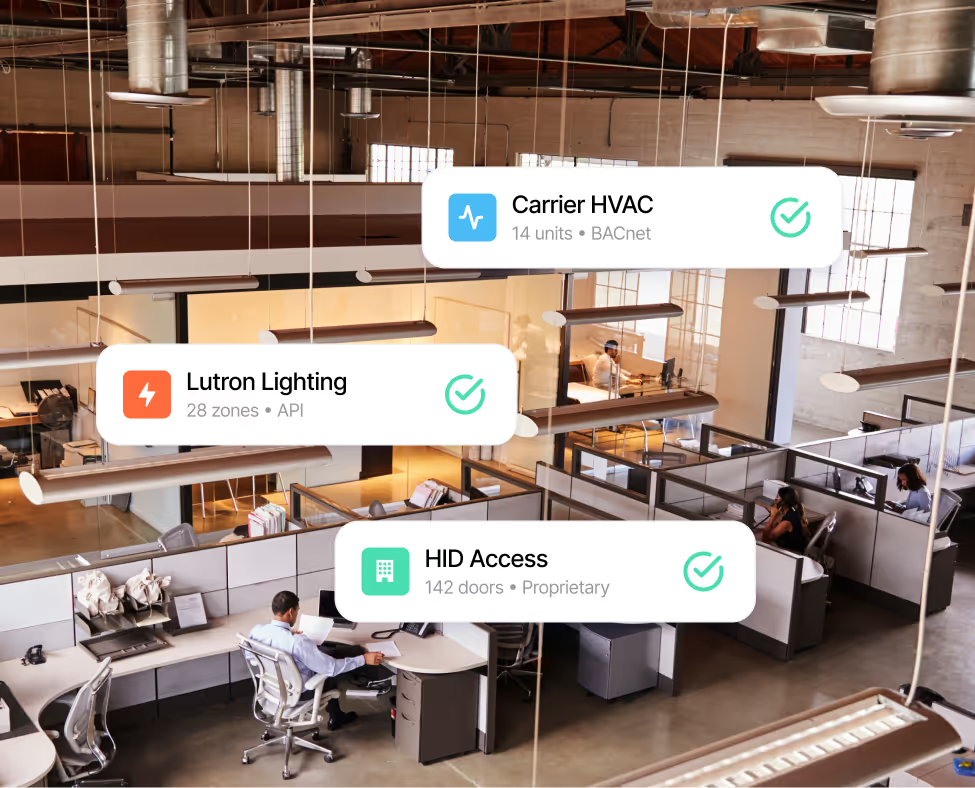
We install and commission new equipment and bring existing systems onto one network over open protocols: BACnet, Modbus, MQTT and more APIs.


We keep the system healthy across its life with comprehensive or non-comprehensive AMC, flexible service levels, and remote plus on-site support.


One accountable team for the full lifecycle of your building's systems. We design and engineer on an open foundation, install and integrate the equipment you already run, and keep all of it serviced so performance holds.
The team that designs and engineers your systems is the team that installs, commissions, integrates and maintains them, so accountability never changes hands across the whole lifecycle.
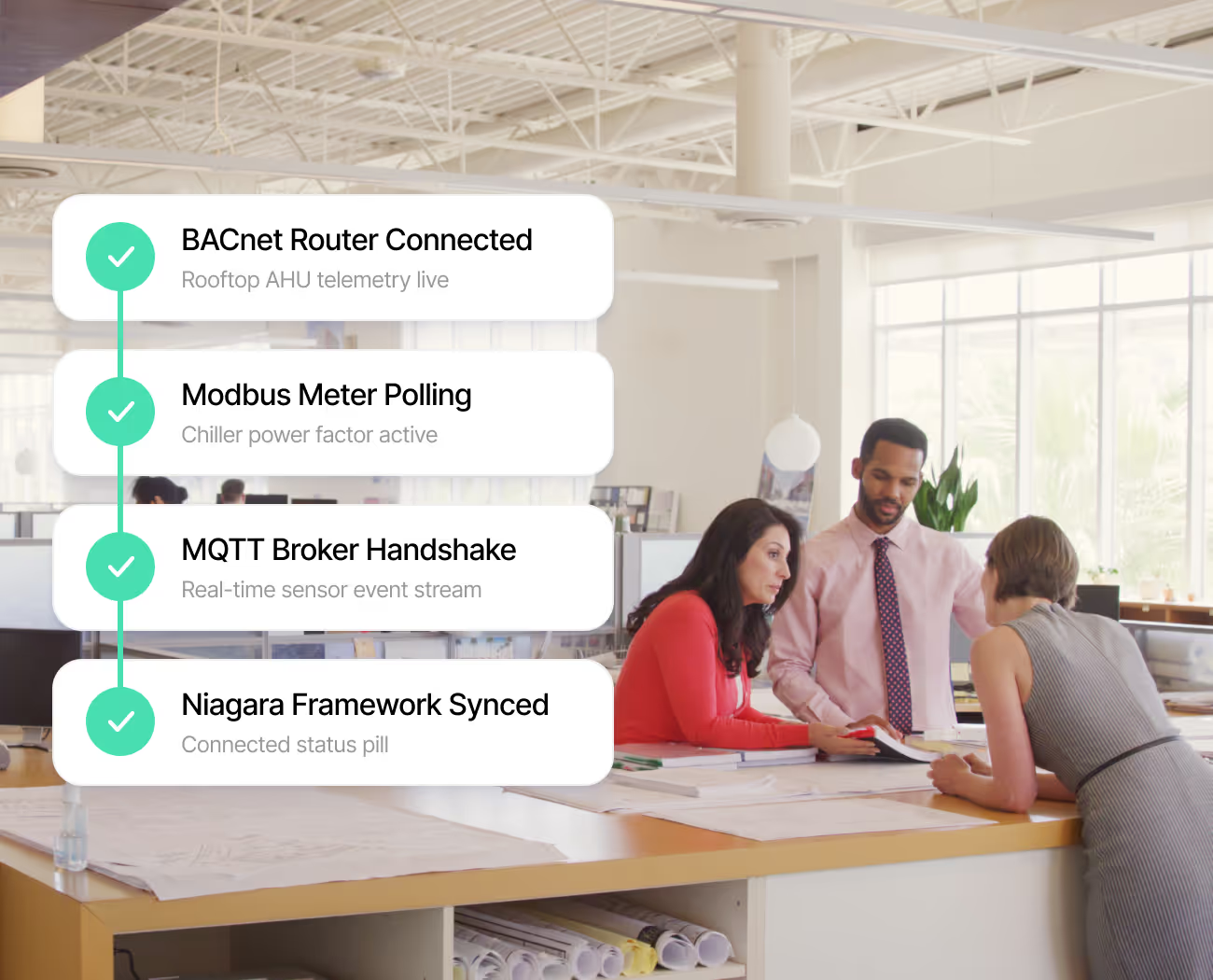
Engineering on an open foundation that stays vendor-agnostic. We install new equipment and integrate the systems you already run over BACnet, Modbus and MQTT, with nothing locked in.
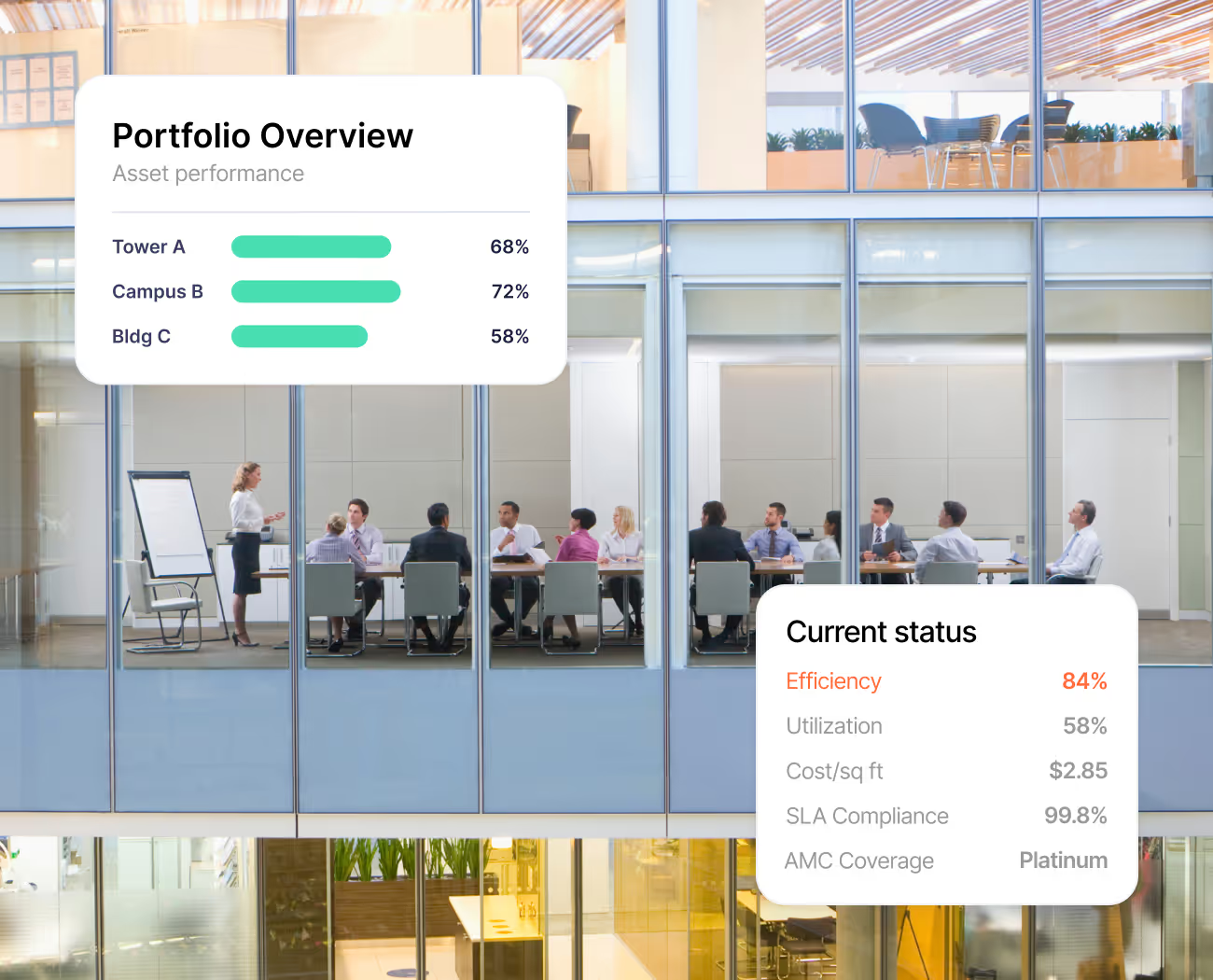
Comprehensive and non-comprehensive AMC options with flexible SLAs keep systems running and budgets predictable, with remote support and on-site maintenance built into every contract.
From drafting and controls programming through installation, integration and long-term maintenance, the building-systems work your facility depends on daily.
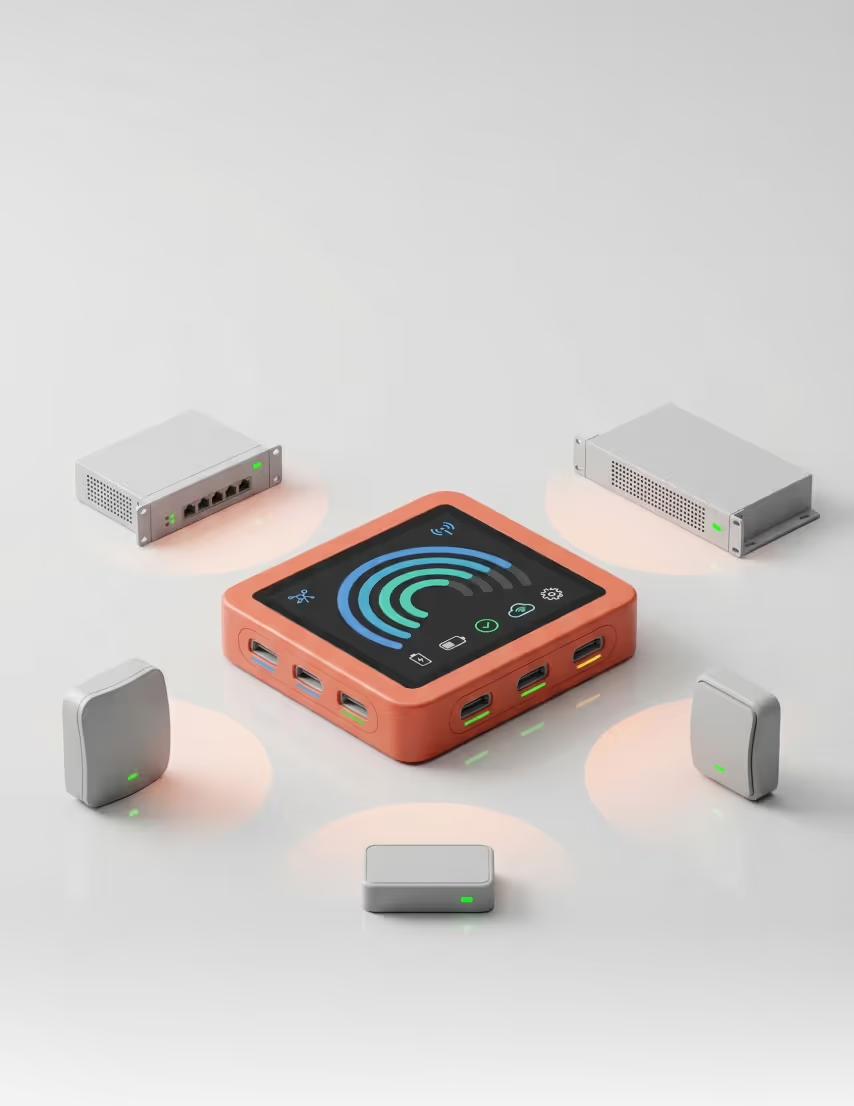
We connect existing equipment and new systems over BACnet, Modbus, MQTT and proprietary APIs, vendor-agnostic.

Our engineers design, build and program the controls logic that runs each system and ties subsystems together.
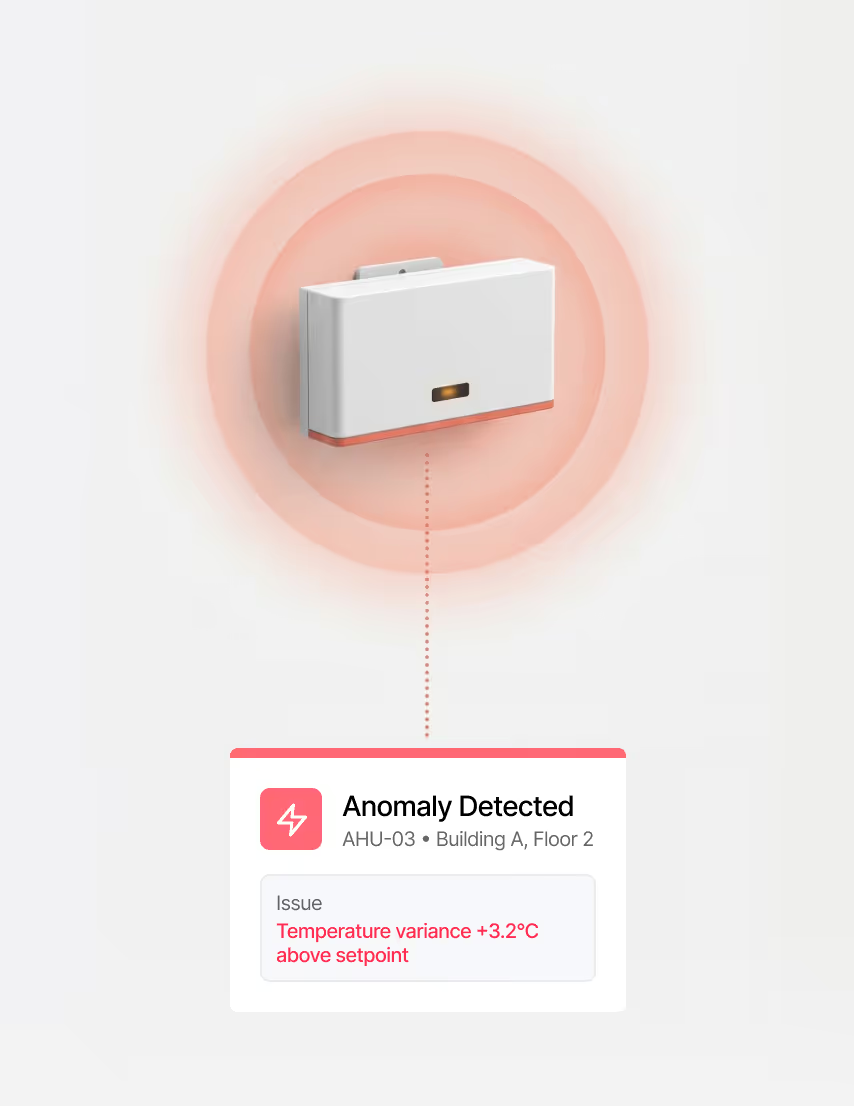
We produce the engineering drawings your project needs: P&ID and PFD schematics, BIM and detailed point layouts.
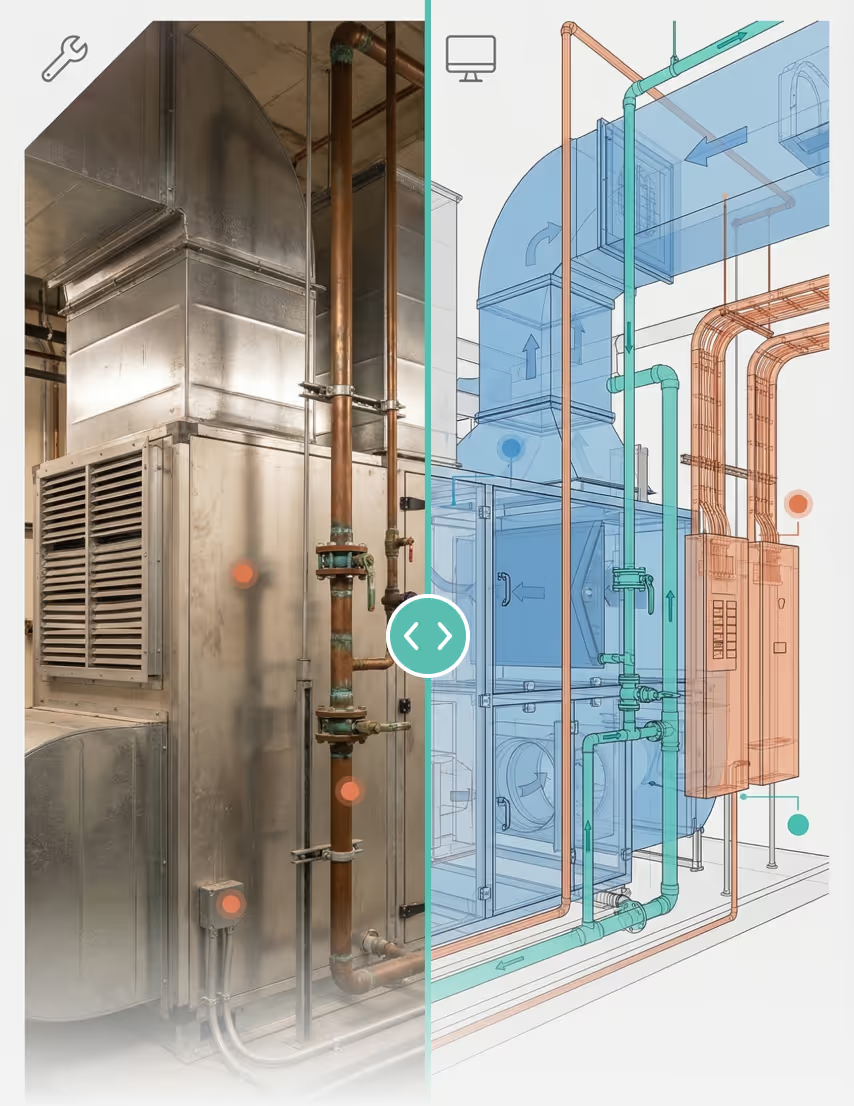
Our field teams install the controls hardware and commission every system to verified, documented performance.
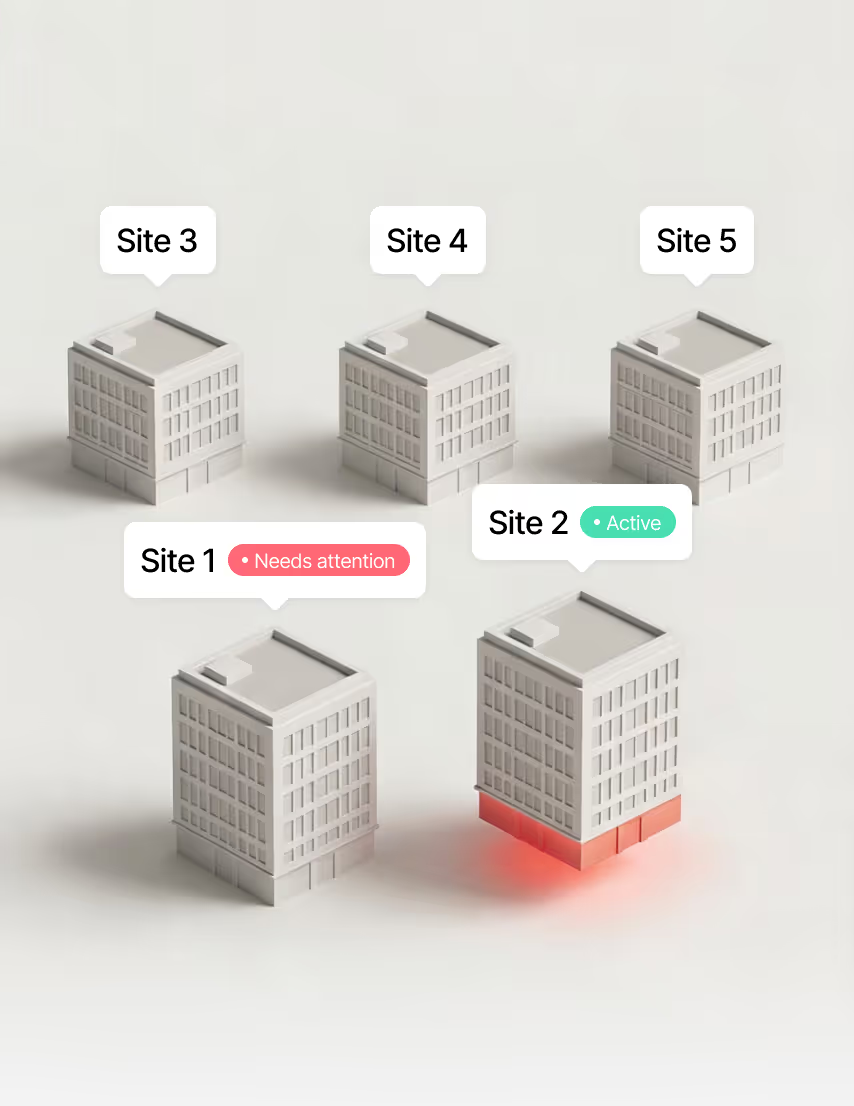
We monitor system health remotely, diagnose issues early and resolve many of them before a site visit is needed.

Comprehensive or non-comprehensive maintenance contracts, with service levels shaped to how critical a site is.

A building-systems offering serves different teams in different ways. Operations need reliable uptime, project and real estate teams need capex confidence, energy teams need measured performance.
Keep HVAC, lighting, electrical and life-safety systems running with one engineering partner accountable for the lot and predictable AMC support behind every one.
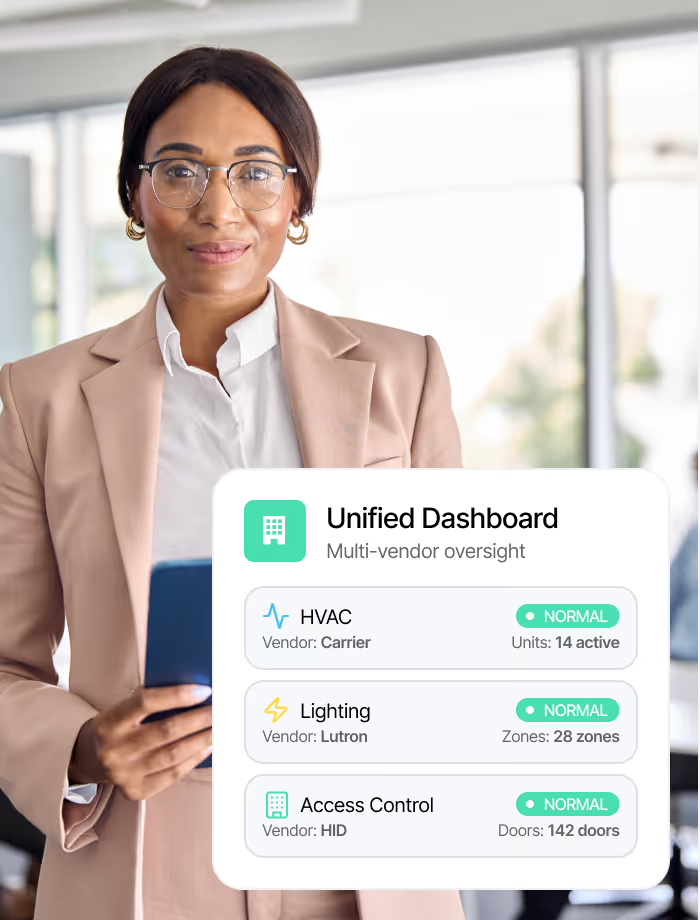
Get the engineered controls foundation that gives you clean visibility into HVAC, lighting and water systems, built for accurate and ongoing measurement over time.
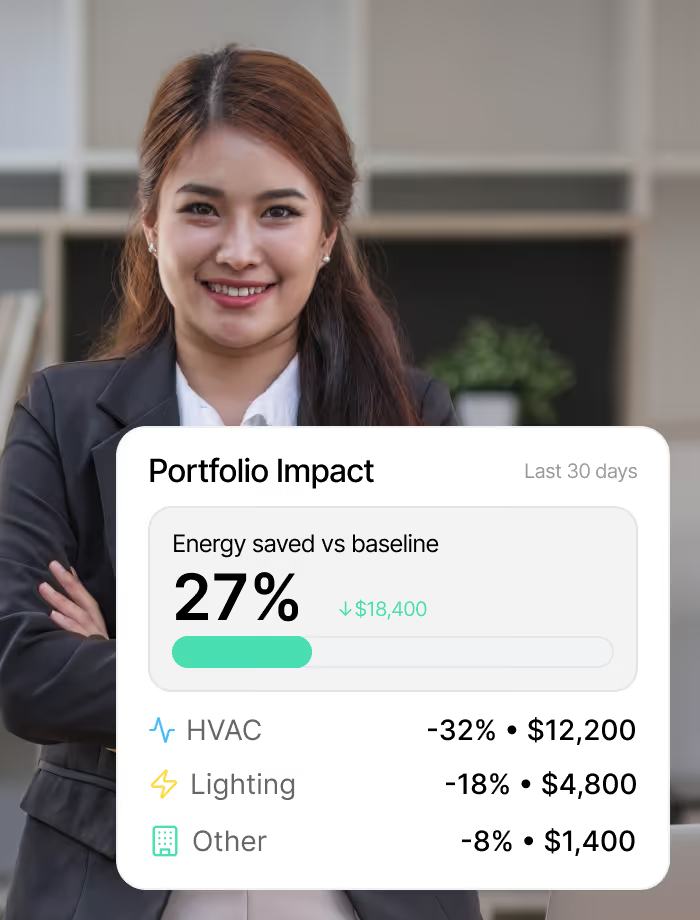
Bring new fit-outs and retrofits online on schedule, with engineered drawings, clean commissioning and tidy integration of the building's systems already in place.

Dedicated control for chillers, AHUs and ventilation, run as part of your building system.
Lighting management for zones, schedules and circuits, integrated with your other services.
The integrated layer for cross-system intelligence and analytics across the whole building.
Don't see your system listed? Tell us what you need and we will connect it.


Three parts: engineering design, graphics and drafting, and field services. Services cover installation, commissioning, integration, support and ongoing maintenance, backed by annual maintenance contracts in comprehensive or non-comprehensive form to fit every building you run.
We support the main open protocols: BACnet, Modbus and MQTT, plus proprietary APIs wherever a system needs them. Because the approach stays vendor-agnostic, equipment from different makers connects and runs together under one coordinated framework, with no single-brand lock-in.
Yes. Your existing equipment connects through open protocols on the Niagara framework, so installed systems keep running and come under one coordinated layer of control. Nothing is ripped out and replaced, which keeps disruption and cost low as you upgrade in place.
Two options are available. Comprehensive AMC covers both parts and labour; non-comprehensive AMC covers labour and scheduled service visits. Either way, service levels stay flexible and are matched to how critical each building is, so you pay only for the cover a site needs.
This offering builds and runs the control layer for your building's systems. The intelligence layer, iBMS, sits on top, adding cross-system analytics, dashboards and building-wide insight. This engineering work lays the foundation; iBMS turns that data into intelligence.
Work is phased system by system so the building keeps running throughout. Scope and sequence are set per site, shaped by size and whether systems are new or already installed. Engineering design and drafting come first, then installation, commissioning and handover to service.
Let our experts help you scope your needs, and give you a demo to explain how an open platform like Niagara can deliver value.
Privacy is important to us, so you have the option of disabling certain types of storage that may not be necessary for the basic functioning of the website. Blocking categories may impact your experience on the website. More information