Any facility.
Complete intelligence.



When a desk is booked, the zone is pre-conditioned. Access informs booking, booking informs HVAC, and your facility responds to your people.
Occupancy sensors, schedules, and access events feed HVAC and energy together. Every signal sharpens how iBMS reads your facility in real time.


iBMS unifies what you already own with what Apptimus delivers. Subsystem-wide data stays queryable, ready for AI features when they clear pilot.
Every subsystem you already own reports up into one layer. That layer reads them together, and sends orchestration back down, before anyone arrives.
Cross-system context, lower integration cost, energy gains from coordination, and an employee experience your operations team controls. iBMS turns scattered building data into one working loop on the stack you own today.
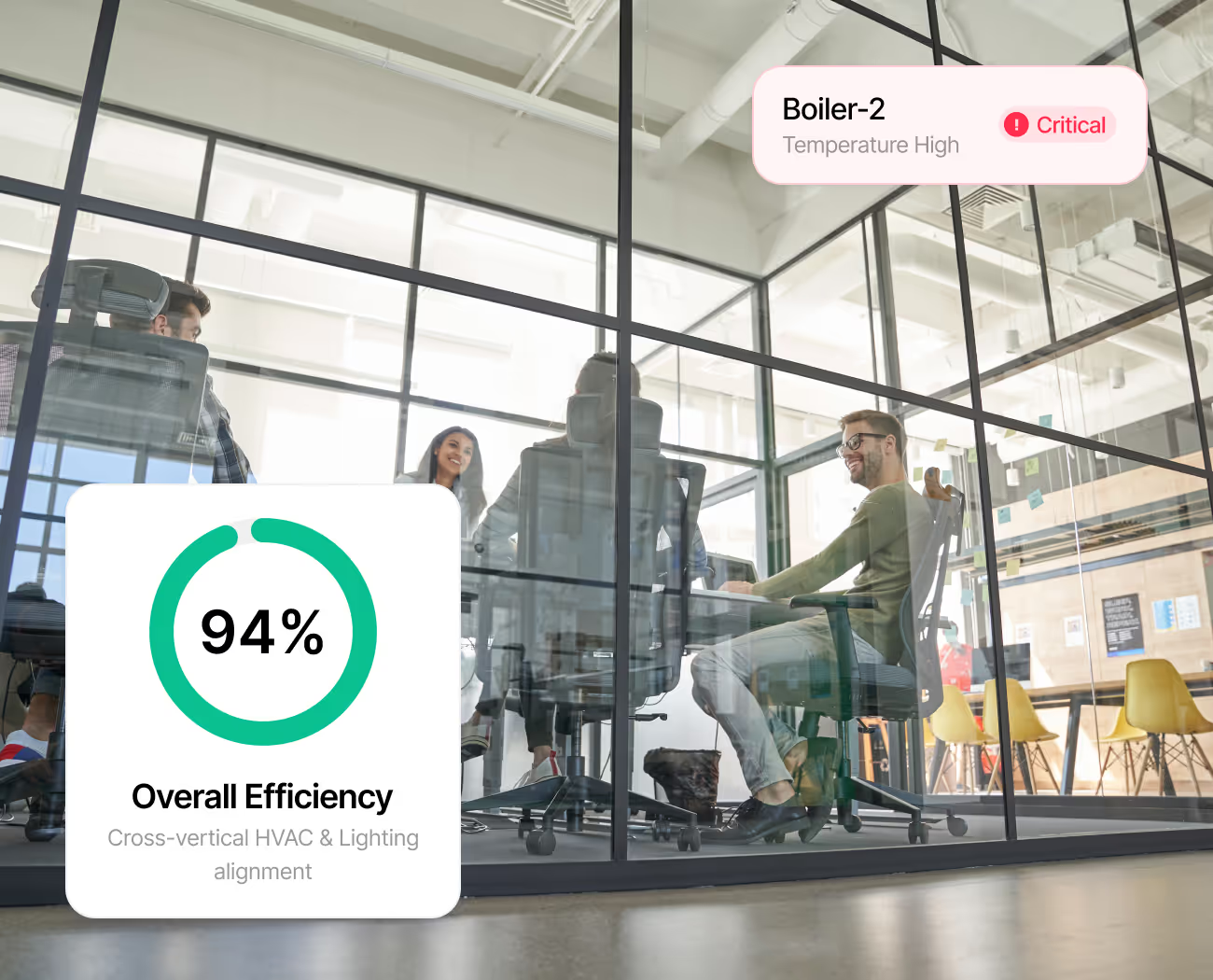
Booking, occupancy, energy, and alerts inform one another. Every facility decision picks up signal from the systems around it first, so each action lands with the rest in scope.
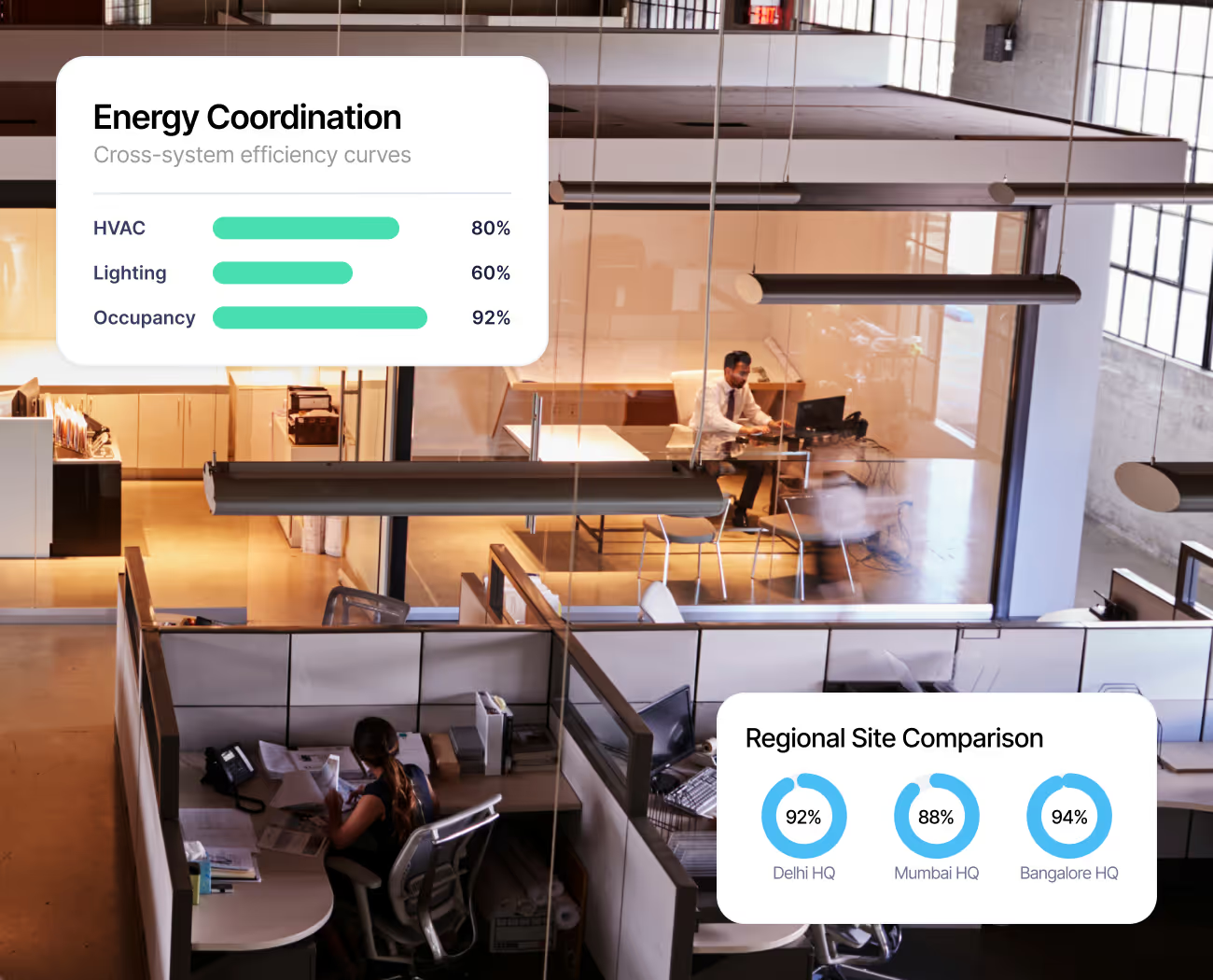
Cross-system coordination trims waste single-vertical controls miss. Occupancy signal drives HVAC setback zone by zone. Open by design on BACnet, Modbus, and MQTT protocols.
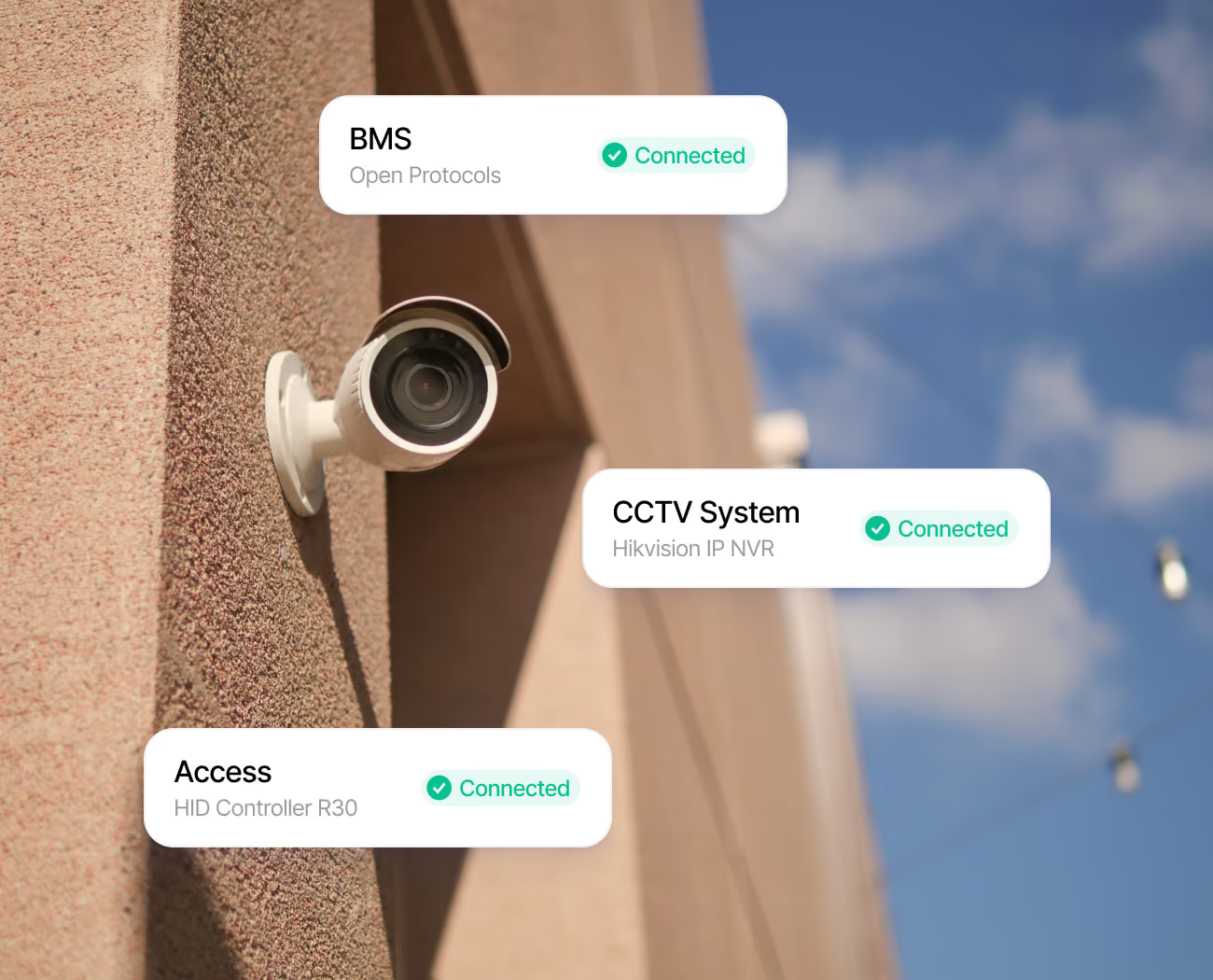
Open protocols and a vendor-neutral architecture keep integration costs low across existing BMS, access, fire, and CCTV systems. Adopt iBMS without replacing your installed hardware.
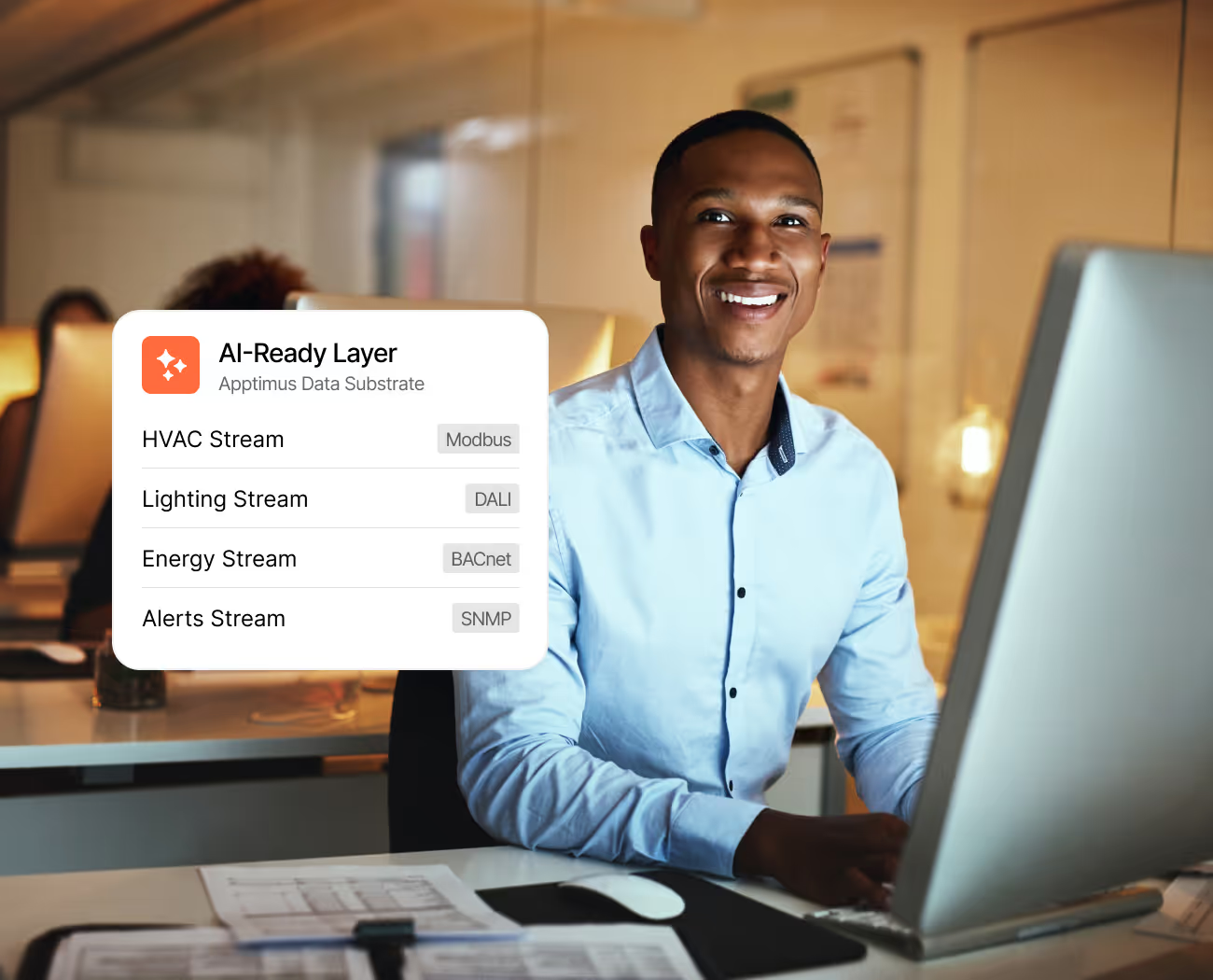
Apptimus, the facility intelligence platform, keeps subsystem-wide data queryable across HVAC, lighting, energy, and alerts. An AI-Ready data layer to switch on when features mature.
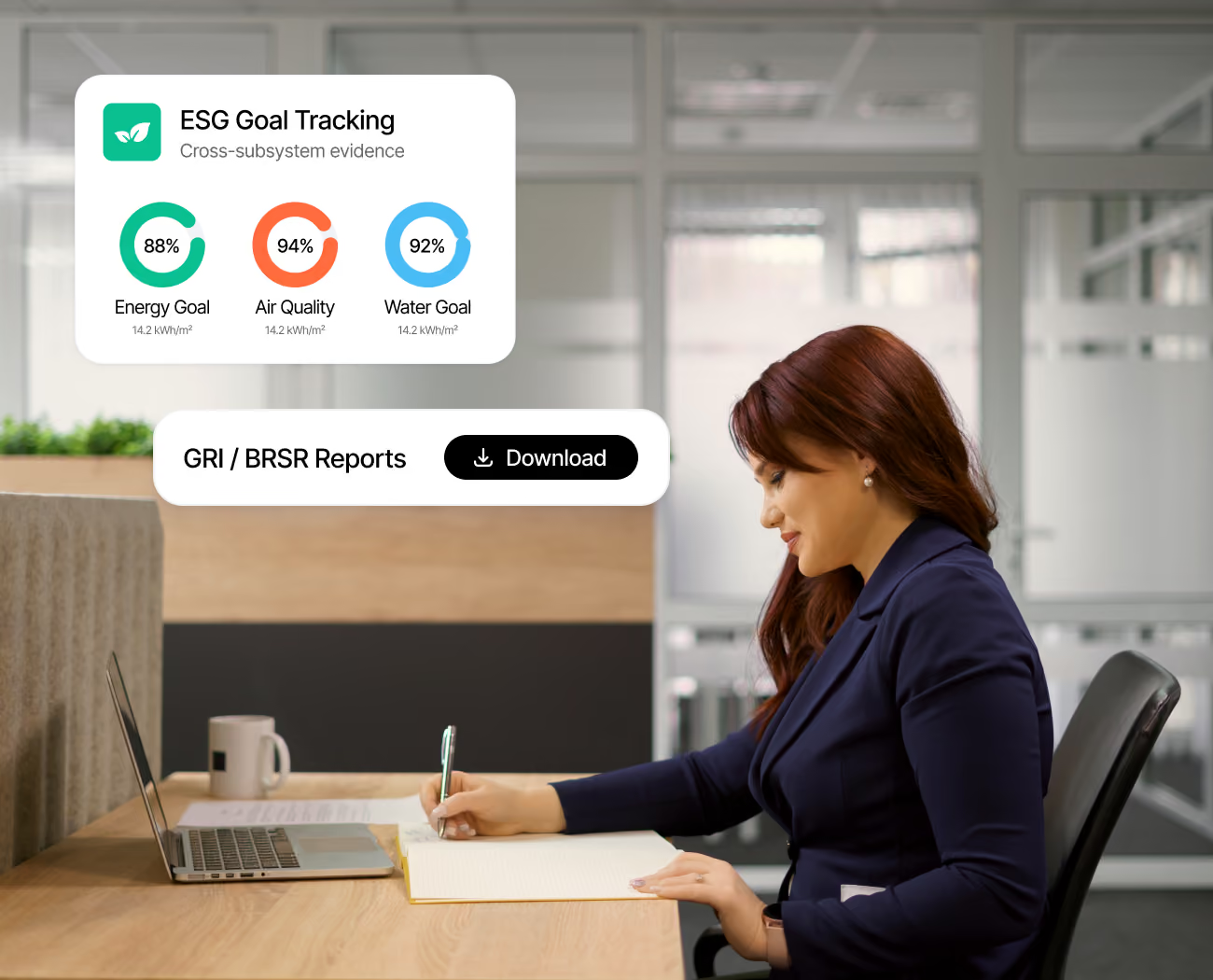
Track ESG performance against the goals you set, with cross-subsystem history behind each number. Energy, air quality, and utilities data stays queryable across buildings and quarters.
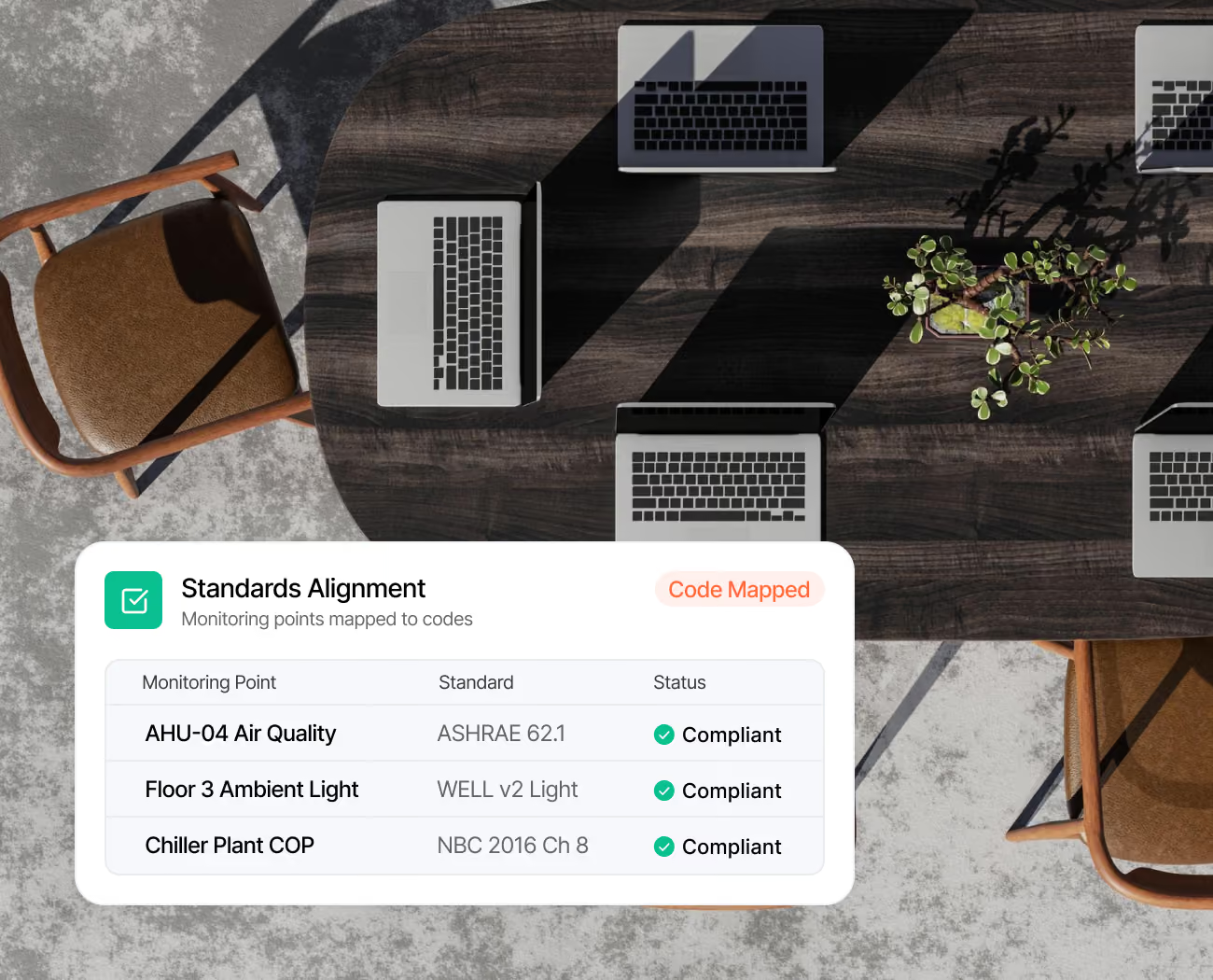
Map monitoring points to your reporting standards, including ASHRAE, ISHRAE, WELL, and NBC. iBMS reads the subsystems carrying those readings, so evidence is always discoverable.
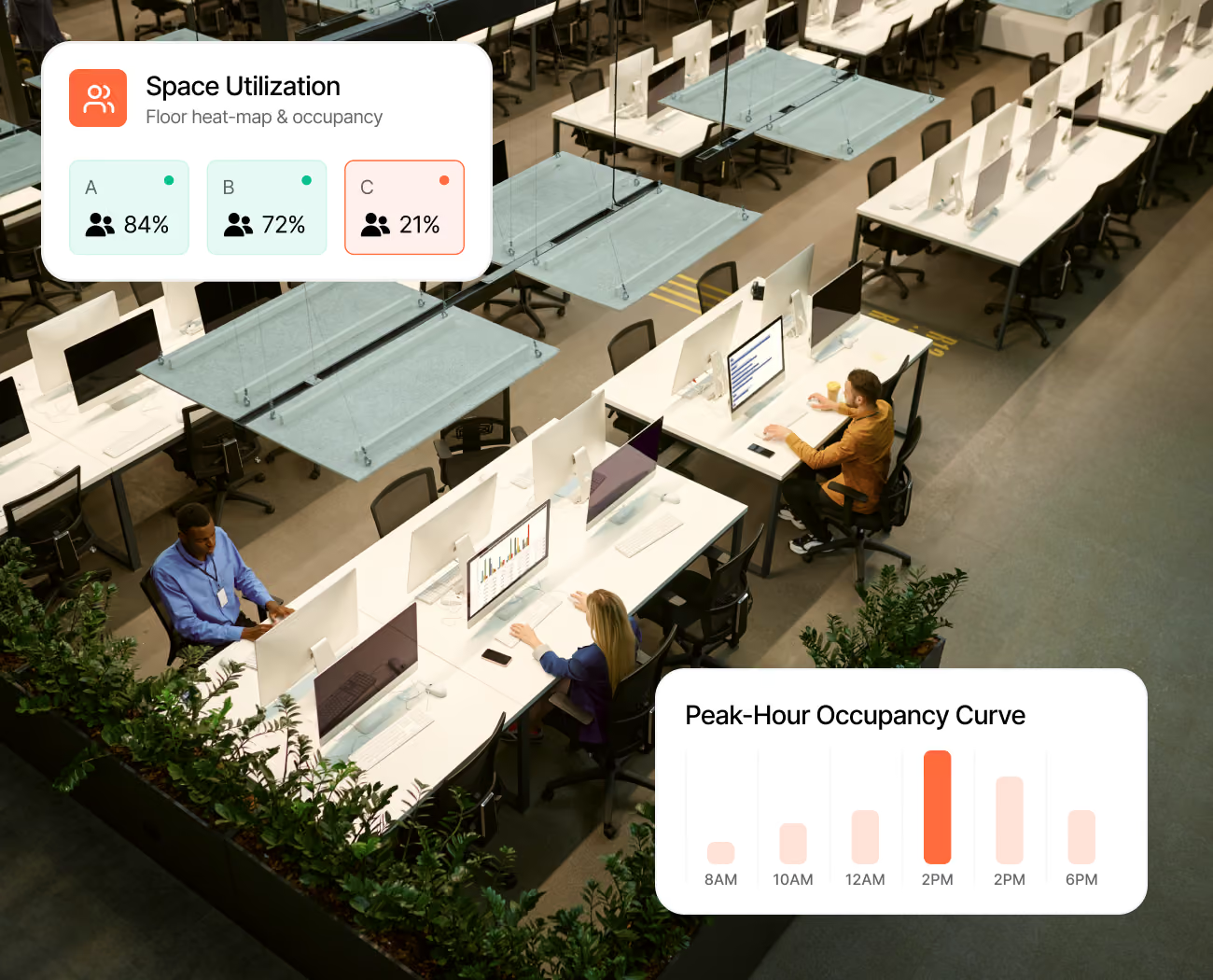
Occupancy, booking, and utilization analytics show how floors are really used. Operational and space planning decisions get real usage data from one of many facilities in your portfolio.
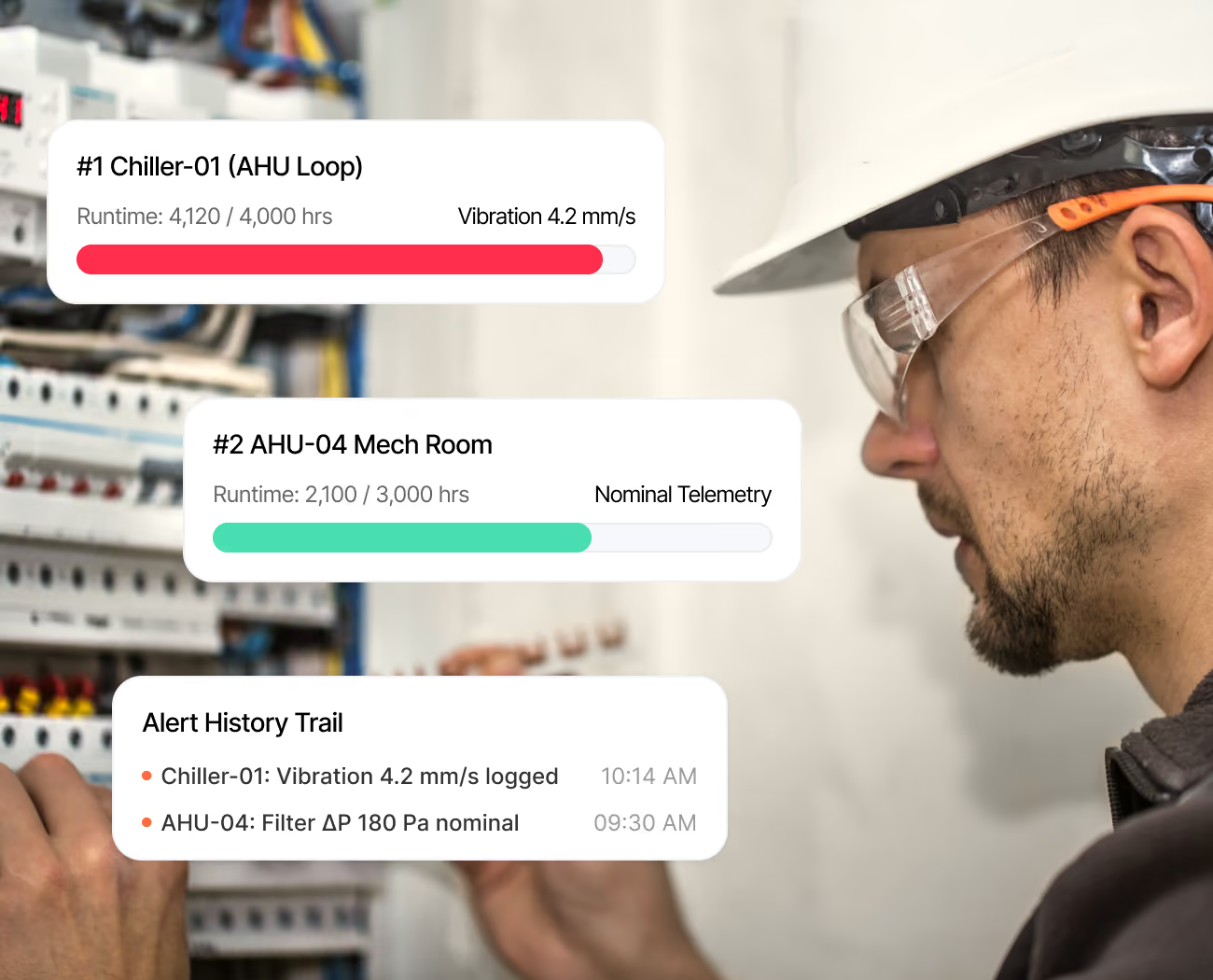
Asset, alert, and runtime data across subsystems informs when service is actually due. Maintenance planning shifts from fixed calendar cycles to automated alerts and workflows.
Capabilities that turn your separate building systems into one feedback loop. Cross-module flows, a unified twin, and the mobile app employees touch each day.
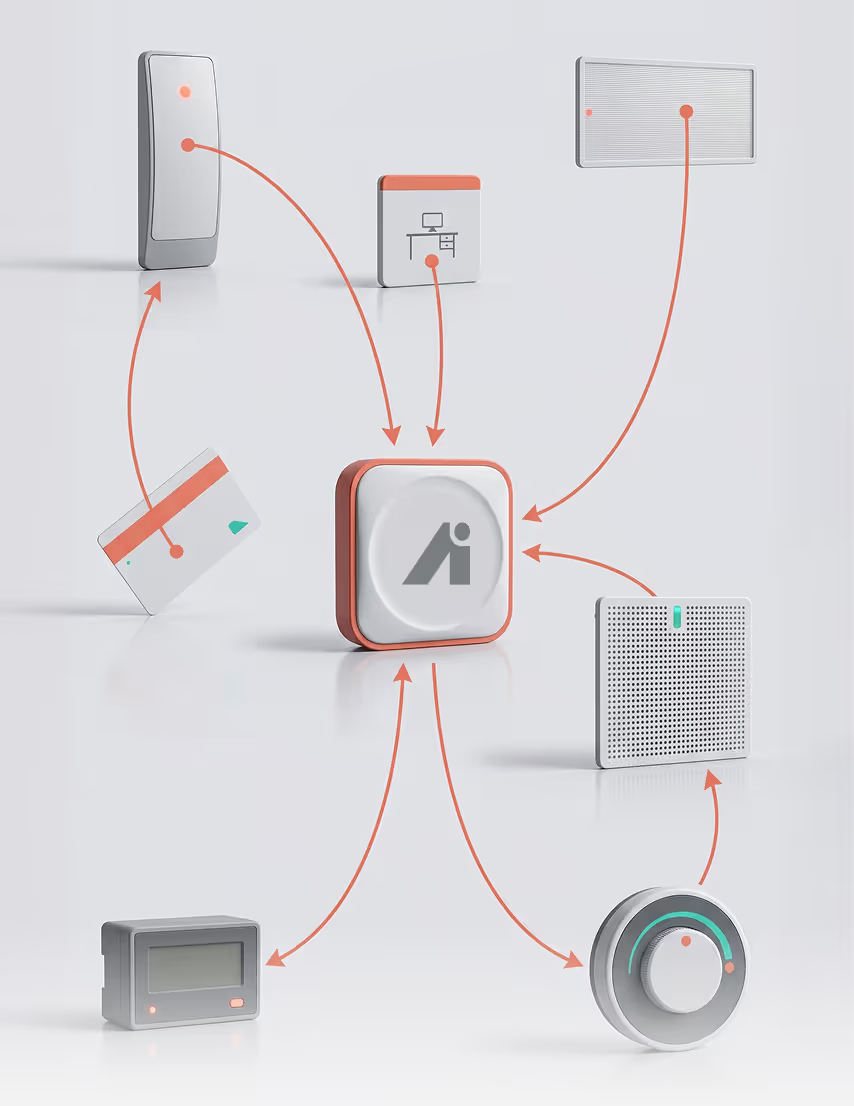
Desk Booking signals HVAC to pre-condition the active zone. Access then Booking then HVAC is the iBMS model.
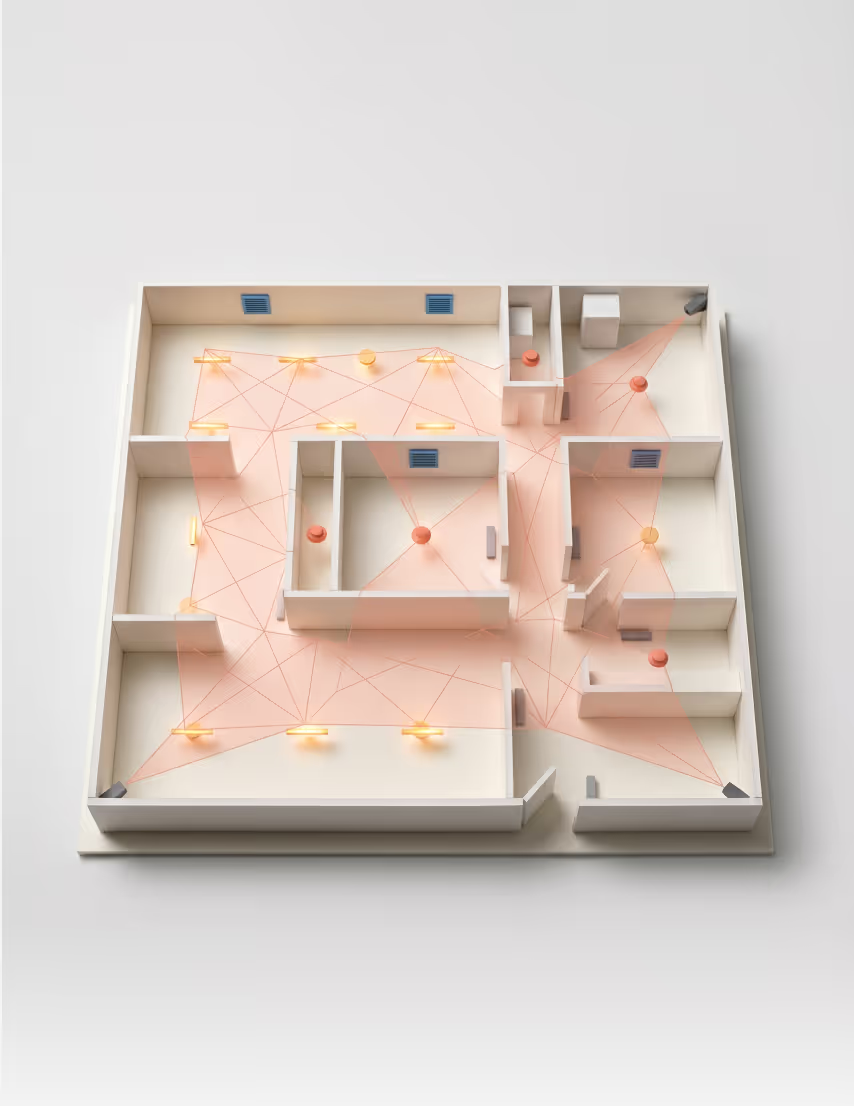
Digital twin spans BMS, HVAC, lighting, IAQ, energy, assets, alerts. Access, CCTV, fire join through iBMS.
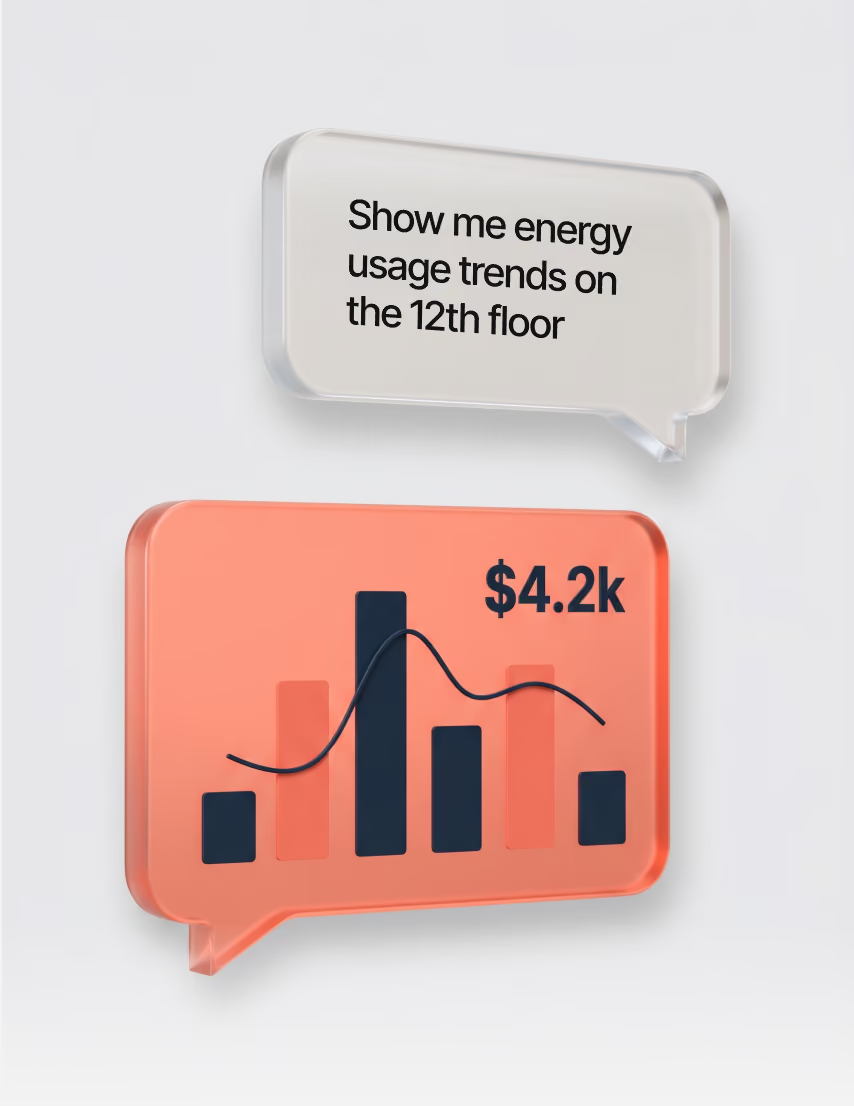
Subsystem-wide data, queryable across systems. Explore iBMS now, and activate data insights across your facility anytime.
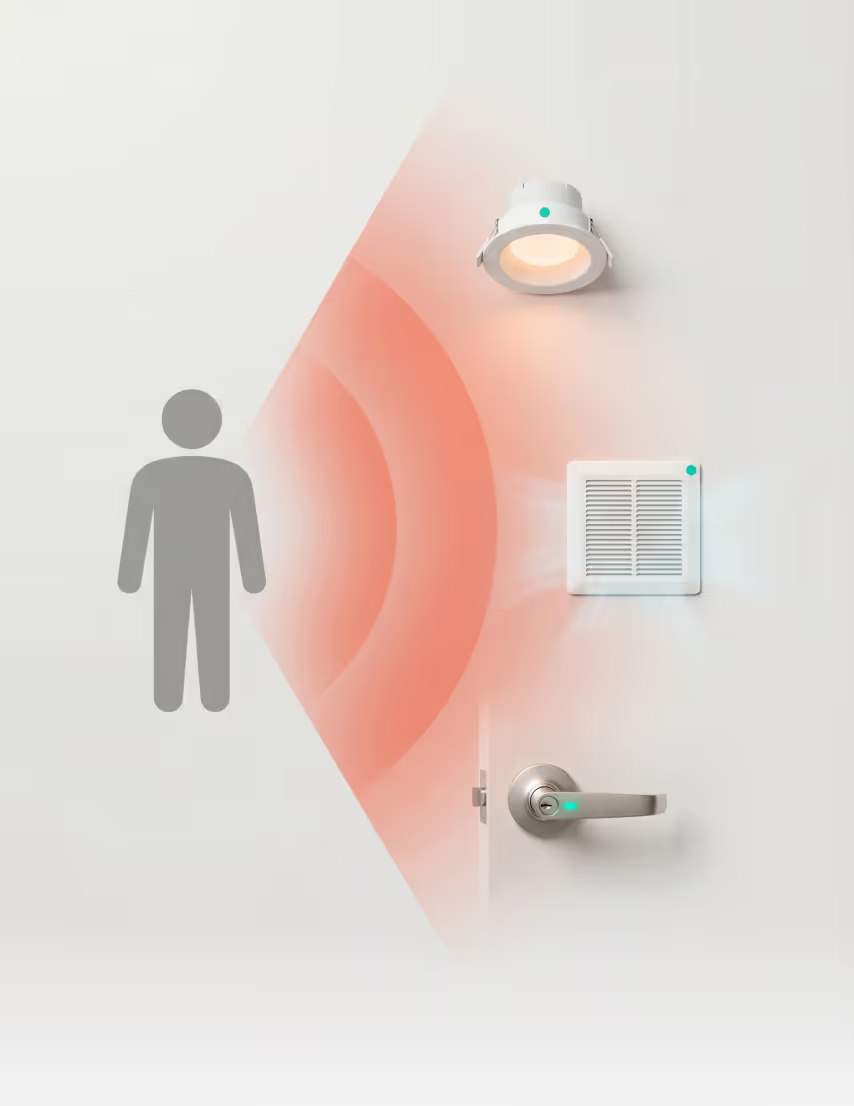
When the floor fills, HVAC and lighting move with it. Bookings, sensors, schedules feed it, access adds context.
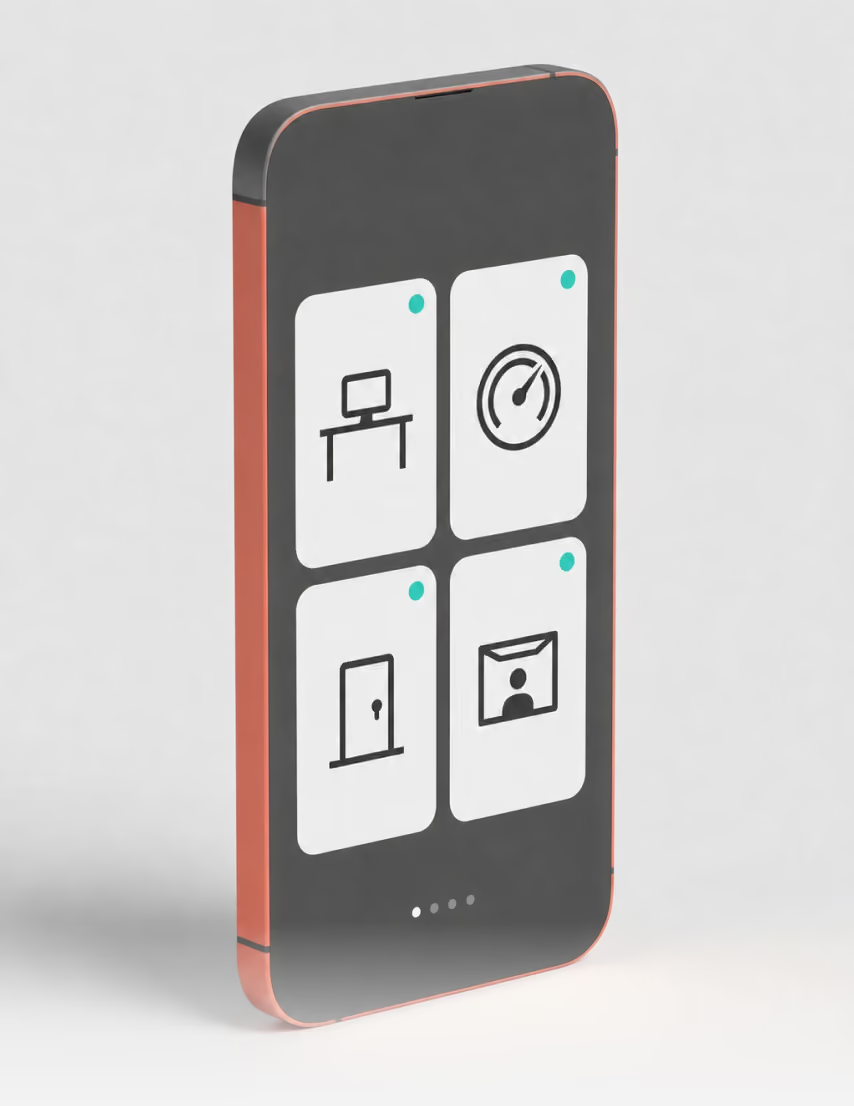
Apptimus, the facility intelligence platform, lets employees book a desk, tune zone comfort, raise requests.
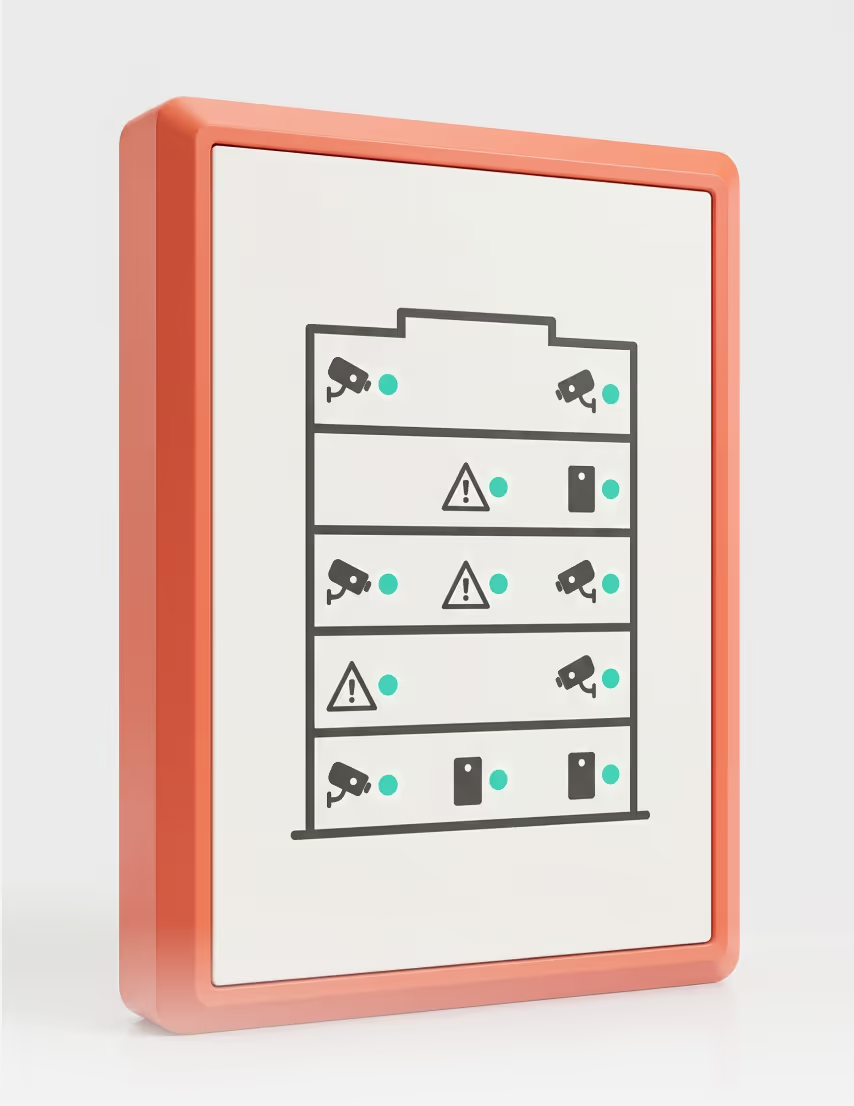
iBMS integrates access control, CCTV analytics, and fire systems. Alerts cross-flow, severity-escalated.

Different stakeholders converge on iBMS for different reasons. Here is how facility operations, energy and environment, and security and IT teams use the iBMS platform across the working week.
You own occupancy, comfort, and maintenance across the floor. iBMS pulls bookings, sensors, and alerts into one working view so each call lands with rest in scope.
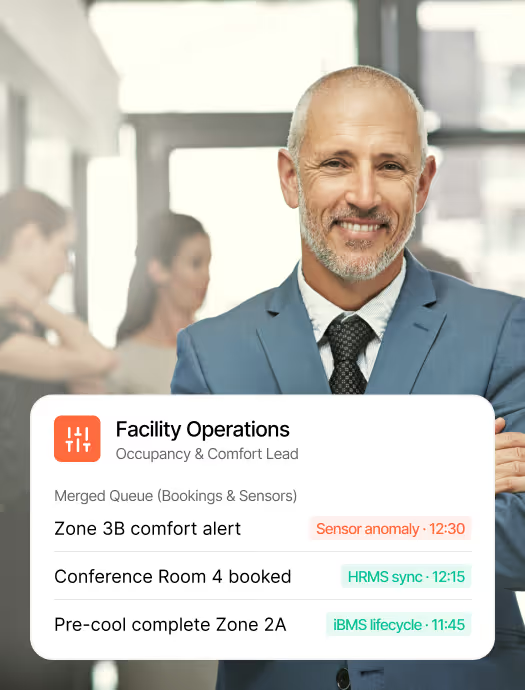
Your KPIs cross HVAC, lighting, and plant. iBMS gives one queryable layer for energy and environment data, with audit-ready history across buildings and quarters.

You set the rules for who reads what across BMS, access, CCTV, and fire. iBMS gives one protocol-fluent layer, queryable across systems as AI clears pilot stage.

Talk to iBMS in plain language. Ask once across HVAC, lighting, energy, alerts, access, and CCTV. Apptimus AI reads live signals from every connected subsystem and answers across the whole stack.

Ask once. iBMS reads HVAC, lighting, energy, alerts, access, and CCTV together. One question, one cross-system answer.

Apptimus AI lives inside iBMS, pulling live signals from every connected subsystem. No separate console to manage.

Ask the same question next week and get a current answer. Apptimus AI reads live signals, not last quarter's exports.
Subsystems answer one question together: HVAC, lighting, energy, alerts, access, CCTV, fire, BMS.
Layer to talk to. Apptimus AI pulls live signals from every connected subsystem on demand.

Connects to existing controllers, AHUs, VAV units through BACnet, Modbus, proprietary APIs.
Door events stream into iBMS so booking and HVAC can read who is on the floor in real time.
Booking and occupancy signals drive zone-level conditioning. Idle zones scale back too.
Camera analytics tie into iBMS for cross-flow alerts and digital twin visibility on floors.
Reservations trigger zone conditioning before arrival, feeding occupancy back into HVAC.
Fire panels send severity-escalated alerts into iBMS, visible beside other building data.
Lighting follows the same occupancy signals as HVAC, so light and climate move together.
Air quality readings drive ventilation adjustments. CO2 and VOC levels stay in range too.
Tracks consumption by zone, floor, building. Reports savings against your facility baseline.
Cross-subsystem alerts route to one stream, severity-escalated, with one place to act on them.
Don't see your system listed? Tell us what you run and we will connect it.


An integrated building management system is the orchestration layer above your BMS. BMS connects the machines. iBMS makes the machines talk to each other. It coordinates BMS with access, fire, CCTV, lighting, and booking so they act as one across the whole building.
A BMS runs one vertical well. iBMS adds cross-system feedback loops on top, so booking, occupancy, energy, and alerts start informing each other across the whole building. BMS-vertical depth still lives on its own page, alongside the iBMS orchestration layer above it.
Through open protocols, BACnet, Modbus, MQTT, OPC UA, and proprietary APIs. Tridium, our Niagara Technology Partner for BMS integration, deepens that leg on existing stacks. iBMS is vendor-neutral by design, so it sits above the BMS, access, fire, and CCTV you own today.
A fourth-floor desk is booked. iBMS pre-conditions that zone, brings the lights up, and routes a tidy-up ticket if needed. Desk Booking to HVAC is deployed and live today. Access to Booking to HVAC is the canonical iBMS architecture, one layer informs the next live.
Three things. Cross-module feedback loops, not just one unified dashboard view. An AI-Ready data layer that keeps subsystem-wide data queryable, with AI features in pilot stage today and a dedicated page when they mature. Plus a vendor-neutral design on open protocols.
Yes. iBMS is vendor-neutral and OEM-agnostic by design. It sits above your existing BMS, access, fire, CCTV, and lighting stacks on open protocols. Adopt it on top of what you already own, keeping installed hardware in service across brownfield sites today.
Privacy is important to us, so you have the option of disabling certain types of storage that may not be necessary for the basic functioning of the website. Blocking categories may impact your experience on the website. More information